Active April

Pick up litter everyday in April!

April is always, “Pick up litter” month. Can you get outside everyday and pick up at least one piece of trash for the 30 days of April? I challenge you to join me. On my daily walks I pick up litter.

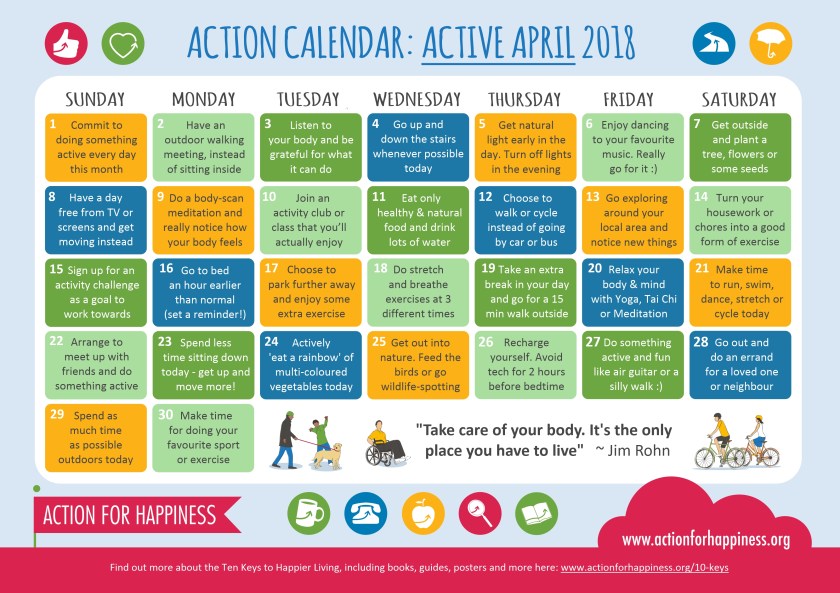
Also, Action for Kindness has a new calendar for Active April. Have fun, be happy, be active, and help our earth.   http://www.actionforhappiness.org

Also, pick up at least one piece of trash everyday! https://health4earth.com/2015/03/31/pick-up-one-piece-of-trash-a-day/

Budget Cuts Waste Water

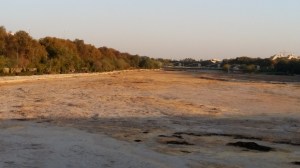
A dry river bed in the heart of Tehran. Water is more valuable in Iran than oil.

How much water do you use? We expect clean water when we turn on the faucet and forget that not everyone has lots of water. Not only Cape Town but three American cities could face severe water shortages soon.

Water is a valuable resource and the purpose of this post is for us to become aware of the amount of water we use. We are unaware where our water comes from and the chemicals with which we pollute it. Every time we turn on the tap we should think about the amount of water we use, and be thankful for clean drinkable water.
I am on a road trip through the southern part of the United States. Arkansas and Louisiana are dripping with water puddles overflowing streams, trees standing in water, wetness and mud everywhere. Oklahoma and Kansas are overcome with drought and wild fires. I realize some of this is normal for these areas, but not these extremes.

Budget cuts keep a running faucet from being fixed. Is there a volunteer to help?

Whether we live where it is wet or dry we should heighten our awareness of the amount of water we use. It is ridiculous to stay in a hotel where the water drips all night, and when informed they will usually write-up an order to try to get it fixed.
I was at Louisiana State University, and it was impossible to turn off the faucet in the restroom. When I reported the faucet to officials they said it had been like that for a while, “Budget cuts keep it from being fixed!” they told me. Could a volunteer near Alexandria, Louisiana fix that faucet? Constant running and wasting of water makes no sense!

With climate change many believe the wars of the future will be about water. Think about it, everyone making small changes and reducing the water they use can make a big difference!  Earth911 has good ideas to reduce water use, but should also add, fix those leaky faucets and toilets. Read here ways to reduce water use. https://earth911.com/home-garden/conserving-water-at-home/

Everyone making small changes, can make a big difference!

I Hate Styrofoam

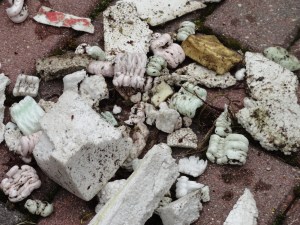
Styrofoam/polystyrene. It is breaking into small pieces and could last forever!

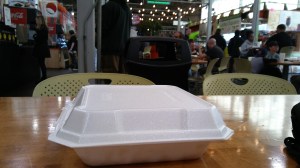
Imagine eating or drinking your coffee/tea or dinner out of a Styrofoam container. ICK! I can’t imagine, but many people do??? Styrofoam makes food taste terrible, and it is made from cancer causing material. Why would you eat/drink from it?
I am on a road trip through the southern part of the United States. Styrofoam is just the normal at many food establishments. Places I refuse to patronize.
Not only is Styrofoam unhealthy to eat on,

How can we do better than this? We need a sustainable alternative

it is awful for the environment. It breaks down into tiny pieces harmful to oceans/lakes, water animals and fish that think it is food.
Unfortunately, Styrofoam has powerful lobbying interests behind it, people who don’t care about your health or the health of our waterways.

Beth Terry, author of My Plastic-Free Life, wrote this terrific guide explaining how producing and using plastic pollutes the air. When it comes to the foamy Styrofoam in particular, here are some other objections to using it:

  • It does not biodegrade. It may break into small pieces, even minuscule pieces. But the smaller EPS gets, the harder it is to clean up.
  • It is made of fossil fuels and synthetic chemicals. Those chemicals may leach if they come in contact with hot, greasy or acidic food. Yes, they keep your coffee hot – but they may also add an unwanted dose of toxins to your drink.
  • Animals sometimes eat it. Turtles and fish seem to mistake EPS for food, and that can kill them. Not only can they not digest it, but the foam could be full of poisons that it has absorbed from contaminants floating in the water.
  • It can’t be recycled. Some commercial mailing houses may accept packing peanuts, but for the most part community recycling centers do not accept throwaway foam food containers.

Below is from 5gyres:

Evidence regarding the sustainability and toxicity of expanded Styrofoam/polystyrene (EPS) single-use containers supports replacing them with a more sustainable and safe material. EPS food and beverage containers are single-use, yet persistent and not economically feasible to recycle. Thus, millions of single-use EPS items are sent to a landfill each day, where they will remain for hundreds to thousands of years. Moreover, its lightweight makes it difficult to manage which is one reason EPS is one of the top litter items found on beaches and in the environment. Lastly, EPS containers may pose a hazard. Some studies have found they can leach chemicals into our food and others have demonstrated that their leachate is toxic to laboratory animals. Replacing EPS with a more sustainable material supports a healthy environment for both wildlife and people.

So what can you do?

I boycott places that use Styrofoam, but that might not be possible for you.     1.Bring your own container, or ask for a real plate, many places can provide that for you! 2. Tell establishments how awful their packaging is. 3. Work to get Styrofoam bans in your community 4. Pick up Styrofoam litter so it doesn’t end up in our waterways.

If everyone does a small part, it can add up to a lot! Speak out.

Recent Good News

This is my occasional series on good news stories, I hope you learn something about the world and communities working together.

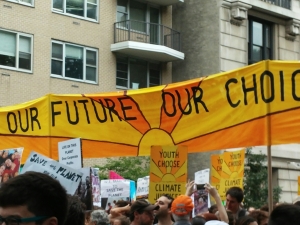
** Students of America stand up to their elected officials and the NRA. “We have the right to go to school without fearing for our lives!” Read at future leaders

** Across the Atlantic Ocean some awesome things are happening in regards to eliminating plastic. First, Queen Elizabeth declares war on single-use plastic at the palace and eating establishments that are part of the Monarchy. Also, a British supermarket eliminates plastic

** The marvelous country of Taiwan has set up a plan to eliminate single-use

Hotel in Taiwan

plastic from their country.  Read here

** A group is planning to plant over a billion trees in Trump’s Forest to counteract the negative environmental damage being done in the United States. Read at Trump Forest

** Below is from https://www.ecowatch.com/  about the positive things that have happened in renewable energy during 2017

  • The cost to install solar has dropped by more than 70 percent since 2010 in the U.S.
  • With no fuel cost and lower operating and maintenance costs, solar and especially wind are outcompeting even the most efficient new gas plants in states like Texas.
  • Renewable energy is creating jobs 12 times faster than the rest of the economy in the U.S.
  • According to the Bureau of Labor Statistics, solar installer is the fastest-growing occupation in the U.S., with wind technician coming in at a close second.

Other good news stories: https://health4earth.com/2018/01/29/our-world-is-moving-in-the-right-direction/


Massive Threats to Our Oceans

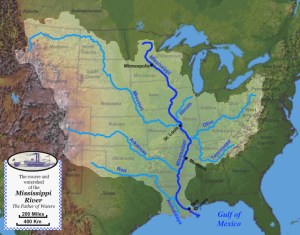
Minnehaha Creek drains into the Mississippi River which runs to the Gulf of Mexico

I’ve pledged to reduce single-use plastic in my life, Refuse plastic straws & cutlery, use refillable water bottles, coffee cups, & bring my own bag to the store. Together we can do this! Join me & take the challenge  Mick Jagger

Why would you ever purchase bottled water? It contains plastic fibers. Read here

Two thirds of our earth is covered by ocean, and our oceans are paying a price for our behavior on land.

The Mississippi River water shed drains much of the United States.

This afternoon I walked over the Minnehaha Creek, and saw plastic bags stuck in the ice. I live 1,500 miles from an ocean, but this creek, a few blocks from my house, drains into the Mississippi River which runs into the Gulf of Mexico over a thousand miles away.  When the ice melts, this plastic will probably take a long journey down the Mississippi River and end up in our oceans.What we do to the land, we do to our water.  Most ocean pollution starts out on land and is carried by wind and rain to the sea. Plastic from the land ends up in the ocean and plastic is so durable that the EPA reports “every bit of plastic ever made still exists.” Even the pristine Arctic Ocean is being inundated with plastic. Read at Arctic. 

https://www.youtube.com/watch?v=zy5c-BZUjHQ  See this video how Norway recycles plastic.

The second threat to oceans is our warming planet. Oceans in 2017 were warmer than they have ever been.  Most of the heat from our warming planet is absorbed by the oceans. More than 90 percent of the Earth’s heat related to global warming is absorbed by the ocean.  Read at ocean heat.

What are the consequences of warming oceans?  Warmer oceans could bring storms, rain droughts and winds like we have never seen.  The hurricanes in Houston and Puerto Rico are just examples of what could come. The warming ocean melts the glaciers faster causing sea rise.   Cities and countries will be under water if this trend continues, and many people will become refugees having to move inland causing refugee crisis to get worse and worse. Unfortunately, this is only going to continue with extreme drought in some places and too much water in others!


http://www.bbc.com/news/science-environment-42947155

http://www.biologicaldiversity.org/campaigns/ocean_plastics/

Try a Low Salt Diet

I am working on this neighborhood campaign.

It’s winter, and in the United States and Canada we are caught between the cold Arctic, and warmer Gulf moisture. All of this causing our snow, cold and winter thaws. This also produces icy sidewalks and icy roads. For many of us the ice is the hardest part of winter to deal with, but what are the best practices in dealing with winter ice?

Using salt on roads, sidewalks and driveways permanently pollutes our lakes and streams. With rain and snow melt his salt washes into our water, it never leaves, harming pets and wildlife. Once salt gets in our water bodies it’s there for good.

Control ice, but also protect our lakes and streams, best practices:

1. Shovel. Clearing walkways before snow turns to ice will reduce the need for salt.
2. Select the right product for the right temperature. Sodium chloride (salt)doesn’t melt snow below 15 degrees Fahrenheit, so use sand for traction in colder weather.  Many products are marketed as environmentally friendly, but read the label, they still contain chloride (salt).
3. Scatter. Use salt sparingly and only where it’s necessary, and use only on ice. Shovel instead of spreading salt!
4. Sweep up  leftover salt and sand to prevent it from running off into water bodies.                                                                                                                                                5. Rearrange downspouts so they don’t drain on to sidewalks causing sidewalk ice.

It takes only one teaspoon of road salt to permanently pollute 5 gallons of water. Once salt is in the water, there is no way to remove it. Salt harms fish, plant life, and the over all quality of lakes and streams.

Be winter safe, but be a friend of our lakes and streams!

Be Healthier in 2018

  • Buy less stuff: Reuse, reuse and reuse the things you have
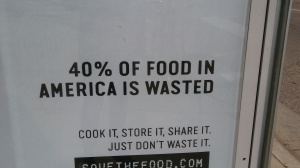
  • Reduce food waste: http://www.savethefood.com/
  • Drive less: Walk, bike, ride share, Carpool, combine errands, and take public transport.
  • Protect butterflies and bees: Add more pollinator friendly plants to your yard or balcony, and eliminate your use of pesticides, and all chemicals in your home. Your family, your pets, birds and butterflies will be much healthier.
  • Reduce or eliminate beef from your diet.  Producing beef uses lots of energy! Go meatless and fishless several days a week!
  • Reduce all plastic use, and recycle, recycle and recycle everything you can. Always work for zero waste.
  • Become a climatarian: Always consider the earth when you make decisions
  • Walk: Everyday get outside to enjoy nature.
  • Finally, work to elect leaders that believe in climate change, clean air and clean water, and support clean renewable energy solutions

Ways to be a better environmental steward from Ecowatch

From Earth911 ways to be more sustainable. Read at Earth911

Using Food a WIN-WIN


 Cook it,   Soup it,   Taco it,    Stir fry it,   Eat it,   Freeze it,   Share it 

                             Be creative

How did you manage your Thanksgiving left overs? What do you generally do  with left over food? 40% of the food  in the United States is not eaten, and ends up in our landfills causing an enormous waste of our precious resources. Wasting food is an enormous waste of water, money, time, labor, energy and transportation.  The Natural Resources Defense Council (NRDC) has an incredible education campaign to inform the public how much we are wasting.  For example the production of one egg takes 55 gallons of water!Their website is savethefood.com

So let’s get creative and “Save the Food.” One of my favorite cooking activities is to reinvent leftovers into a new lunch or dinner. Stir fry, soups, tacos, enchiladas, salads, fried rice, and many other things lend themselves to create special meals of uneaten foods.

Not only does wasting food, waste valuable resources and lots of water, but also food in our landfills decomposes creating and giving off methane gas which is a harmful air pollutant contributing to global warming.
From Thanksgiving to New Year’s Day, household waste increases by more than 25%. Added food waste, shopping bags, packaging, wrapping paper, bows and ribbons all adds up to an additional 1 million tons a week to our landfills. (Source: EPA)

Have a fun holiday month, but make a creative difference by reusing, planning, seriously cutting waste, and saving food from your garbage!

The story of a strawberry here: https://www.youtube.com/watch?v=WREXBUZBrS8

Simple things You can Do

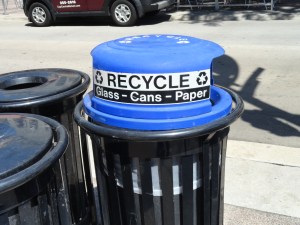
Find a place to recycle your bottles, cans and paper.
Say “No” to plastic bags!
Bring you own shopping bag

We now have plastic in our water and in the fish we eat. Do we really want to put plastic fibers into our bodies every time we eat and drink?

I have three simple thoughts about litter and recycling today: First, countries that have less plastic have less litter. Second and third, if everyone would recycle more, and change the plastic bag habit, it would make a big difference on our planet.

Here is an interesting plastic comparison for you.  This is based on observation during the past month while I have been travelling through Central Asia and Iran. Central Asia uses very little plastic except for black plastic bags for purchases and plastic bottles for soda.  Iran by contrast uses lots of plastic. Beside plastic bottles, restaurant food, hotel towels, and many things that don’t need to be, are wrapped in plastic. Plastic cups and straws are used in Iran, but I saw none in Central Asia. Where would you guess there is a terrible litter problem? The contrast was enormous.  I brought Iranian plastic home to recycle.

Governments clearly need to become aware of the problem, and businesses like Coca Cola need to take more responsibility for the plastic they produce.

While I was thinking about this I came across an excellent essay by ECOwatch with great suggestions for everyone (see below) But keep it simple and by recycling and reducing  plastic bags you can make a big difference on our earth!

From Ecowatch:

  • Complain to retailers. Pressure retailers to do away with over-packaging.
  • Support plastic bag bans, polystyrene foam bans and bottle recycling bills.
  • Use natural clothing fiber rather than synthetic clothing, as synthetic cloth releases plastic fiber in every wash cycle.
  • Choose to reuse. Neither plastic shopping bags nor plastic water bottles can be easily recycled.
  • Deposit return schemes are highly effective ways to reduce plastic bottle waste. In Germany, where a bottle-return program is in place, nearly 98 percent of plastic bottles are returned.
  • Recycle. If you must use plastic, try to choose #1 (PETE) or #2 (HDPE), which are the most commonly recycled plastics.
  • Avoid plastic bags and polystyrene foam as both typically have very low recycling rates.

Too Much Water, Too Much Sediment

Lake Superior and all lakes are precious, protect them!

This summer I wished I could have given some of our rain to drought stricken North or South Dakota. Everyday on Lake Superior seemed to sprout a rain shower.  When I read the water quality of Lake Superior wasn’t superior to other Great Lakes anymore, my first thought was of this summer’s rain. Because of the rainy summer, the lake level became very high, and this high water caused some of the soft lake banks to erode into the lake causing lake sediment.  The streams running into the lake bring more sediment into the lake.

An unusual fact about Lake Superior: Many streams and rivers drain into the big lake, but only one river drains out of the lake, the St. Mary’s River, and that is regulated at Sault Ste. Marie. I know the water that flows out through the St. Mary’s River is complicated with many factors, but releasing more water from the lake could probably help water quality of Lake Superior. Read at St. Mary’s River.

We can all do better to protect the water quality this magnificent lake, and other lakes also.

Buffer strips along lakes protect water quality.

Slowing down the water flow can help. Buffer strips of deep-rooted plants along streams and along the lake can reduce sediment run-off, and putting in rain gardens and rain barrels can also slow the water.

The below ideas for protecting our lakes is from the Superiorforum.org , Sigurd Olson Institute, Northland college, the EPA, and Great Lakes Restoration Initiative:
1 .Be conservative with your water use.
2. Recycle as much as you can with the 4 Rs: reduce, reuse, recycle and repair. And….NEVER burn trash.
3. Curb Yard Pollution. Put your lawn on a chemical-free diet!!
4. Stop aquatic invasives by cleaning plants and animals off your boat.
5. Plant native plants, and reduce turf grass.
6. Plant native trees According to Audubon, oak trees are the best for attracting insects and birds.
7. Install a rain barrel
8. Create an energy-efficient home.
9. Bring hazardous waste to waste collection sites.
10. Love our lakes!

I would add a few more:

  1. Plastics have become a big problem for our waterways.  Reduce plastic use and be sure any plastic-use is recycled. Also remember to say, “No straw please!”
  2. Micro-fibers in our clothes also are polluting our waterways. As of yet there isn’t a good solution. Read about micro-fibers here.
  3. Always pick up litter.

The water we have on earth is the only water we will ever have, we must take care of it!