Less Stuff, More Joy

How can you generate less trash and less junk?

This is from the Story of Stuff. I hope you will give it some thought and make thoughtful purchases for the holidays and all year.
“This time of year, the pressure to buy more — and waste more — is everywhere.
Black Friday doorbusters, holiday flash sales, limited-time offers: overconsumption during the holidays isn’t an accident. It’s by design.

And the consequences are massive. Americans generate 25% more waste between Thanksgiving and New Year’s — an extra one million tons of trash every week. From impulse purchases tossed by January, to mountains of packaging, the holiday season has become a pipeline of extraction, production, shipping, and disposal.

What we rarely see are the impacts hidden upstream. Most of a product’s environmental footprint happens long before it reaches your door — through rapid mining of raw materials, energy-intensive manufacturing, and global shipping emissions that fuel the climate crisis.

Fast fashion hauls and holiday overbuying only accelerate the damage. Every second, a garbage truck’s worth of clothing is landfilled or burned. Electronics, toys, gadgets, and seasonal “stuff” flood into toxic e-waste dumps around the world.” Story of Stuff

But there’s a different story we can tell — and build — together.

Trying to be more climate friendly with gift giving this year? This holiday gifting guide will help you get in the spirit while saving you money and deepening the meaningfulness of your holiday season.

What are the best two thing I can do?

“Act as if what you do makes a difference. It does.” — William James

July is plastic-free month

Refuse to consume so much junk. Avoid Target and The Dollar Store.

What is the single best thing I can do for the planet? Maybe the best two things I can do? The New York Times put this question to some experts. It was actually the most click on article on Earth Day.

They have sone good suggestions, but we all have such different lifestyles and ways we are all harmful to the planet in the way we live. We all need to take inventory of the ways we are harmful to clean air and clean water. Everyone can buy less stuff. Do we really need all the Easter eggs and decorations everywhere the past two months? Do you really need that extra shirt or pair of shoes? What can you purchase second hand or reuse?

Cutting meat consumption and driving less are huge, but so is not wasting so much food, and reducing our single-use plastic

The New York Times asked their experts how to be the best planetary citizens?

I think their ideas are thoughtful and interesting. It is worth a read

First, it’s important to understand that climate change is a symptom of a larger issue: ecological overshoot, or the fact that humans are consuming resources faster than they can regenerate and producing more waste and pollution than nature can absorb, said William Rees, a human and ecological economist and professor emeritus at the University of British Columbia. The most effective solutions, then, address not just greenhouse gas emissions but overall consumption and pollution.

One of the most effective ways to avoid consumption in the first place, Dr. Rees said, is to have a smaller family. But that might not be a realistic option for many people, for all kinds of personal, cultural and other reasons.

As The New York Times’s ethics columnist has pointed out, it might also be realistic to think that children who are raised with a sense of responsibility could — in personal and collective ways — be part of the solution, ensuring human survival on a livable planet by promoting adaptation, resilience and mitigation.

A less complicated recommendation is to cut back on meat. “On all these different metrics, eating a plant-based diet broadly improves sustainability,” said Seth Wynes, a scientist specializing in climate change mitigation at the University of Waterloo in Ontario.

Livestock production accounts for about 14.5 percent of global greenhouse gas emissions. It’s also a major driver of habitat destruction and other environmental harms, including antibiotic resistance, water scarcity, biodiversity loss and pollution.”

Read the entire article below:

Less Waste for the Holidays

We are in a climate crisis, a waste crisis, and a plastic crisis. The last thing we need is for people to purchase more landfill junk. Everyone has a right to clean water and clean air. Buying less stuff, and producing less waste helps keep our water and air clean.

Purchase items of quality and things you really need this holiday. Also, become aware of the plastic that you send to the landfill.

Zero Waste is moving from our throw-away and overconsumption culture to a more sustainable way of reusing and refusing.

Food waste in landfills produces harmful methane gas.

The EPA reports that garbage increases 25% between Thanksgiving and New Year’s. Here are new ways to reduce your waste.

Gifting with less waste

Buy less, give more  

Wrapping with less waste

Tell Amazon: It’s time to move beyond wasteful single-use plastic packaging 

Refurbished gifts

Fixed for the Holidays 

Tell Amazon: We need repair scores

Reduce food waste

How to reduce food waste and save money this holiday season 

Tell Congress: Pass this bill to combat the worst kind of food waste
Federal food donation protections info
Calculator to figure out how much food to serve
Leftover ideas

Earth Week

This week, please become conscious of buying less and using less plastic. Get outside and notice the beauty of spring. I saw my first butterflies, and the migrating birds are on their way! Happy Earth Day!

Celebrating Our Beautiful Earth

What are you looking forward to this April?

bookmark

Every Day is Earth Day!

April is earth month. Do one thing each day to make the world a cleaner kinder place. Sign up here to do an Earth Month Challenge: Earth Month Ecochallenge 2023: Sustainable Development Goals – Home Page 

Here are some other ideas:

My Earth month suggestions and the things I do most days are to purchase less junk, reduce my plastic use, pick up litter, and work hard to end food waste.

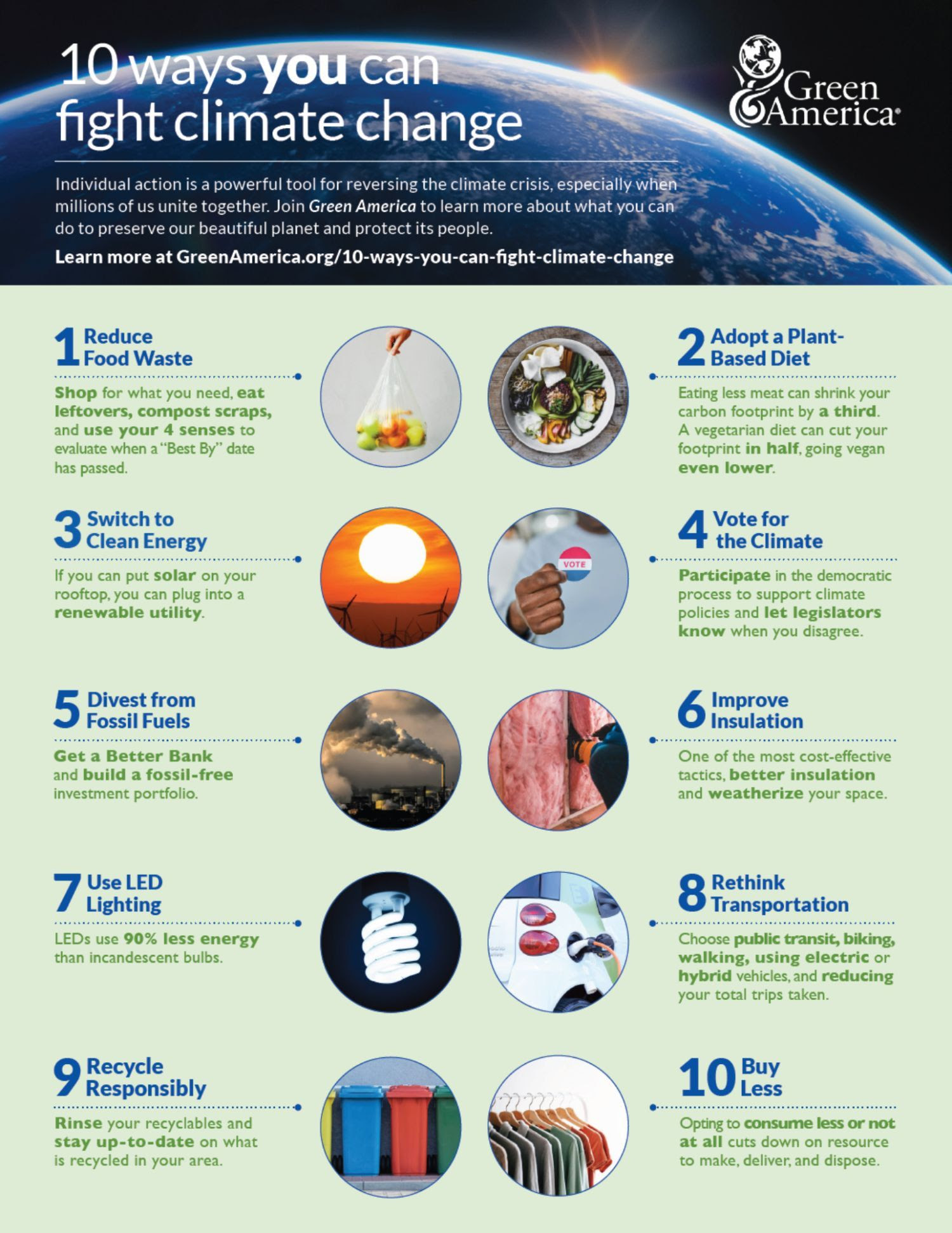
How to Reduce Your Carbon Footprint – A Year of Living Better Guides – The New York Times (nytimes.com)  Drive less, reduce meat consumption, don’t waste food, and be a wise consumer.

Five things we learned from the new climate report Five things we’ve learned from UN climate report – BBC News

This month calendar has lots of ideas to be healthy and active. Add picking up litter and being kind to your daily activities.

Letter to the Startribune editorial page: While it is exciting that spring is coming, now is the also the time we see all the trash that has been snow-covered during our long winter. In this state of 10,000 lakes and many beautiful rivers, too much of this trash will end up polluting our waters if not cleaned up. I urge all reading this to do your part, and encourage others, too, to pick up as much trash as you are willing and able. If you are a homeowner, perhaps you can start with the trash in the street in front of your house. Perhaps carry a bag while walking and pick some up while exercising. Anything is a start and appreciated. Dave Councilman, St. Louis Park

What are you looking forward to this April? Enjoy, and make it worthwhile!

There are Things You Can Do Everyday

Climate march in New York City

We can all make a difference!

As our planet continues to warm, we are facing many consequences. California is facing incredible rains, Europe has unheard of winter warmth, and where I live, we have smelly bad air warnings. We cannot throw up our hands and claim there is nothing we can do. Every activity we participate in affects our warming planet. Can we buy less, drive less, eat less meat and use less plastic? Little things make a big difference.

10 Things You Can Do to Help Save the Earth – EcoWatch     

2022 Extreme Weather Disasters in the US Cost $165 Billion, NOAA Says – NBC New York   

https://www.forbes.com/sites/carlieporterfield/2023/01/10/8-heat-records-that-were-broken-in-the-last-8-years-the-hottest-on-record/?sh=36a2950f455b

2022 was the world’s fifth-warmest year on record (msn.com)   

Be Car-conscious 

If you can, stay off the road two days a week or more. You’ll reduce greenhouse gas emissions by an average of 1,590 pounds (721 kilograms) per year [source: EPA]. It’s easier than you think. You can combine your errands — hit the school, grocery store and dog daycare in one trip. And talk to your boss about teleworking. It’s a boon for you and your company. But being car conscious also means maintaining your car on a regular basis. You can improve your gas mileage by 0.6 percent to 3 percent by keeping your tires inflated to the proper pressure, and be sure to make necessary repairs if your car fails emission [source: EPA]. 

Give Up Plastics 

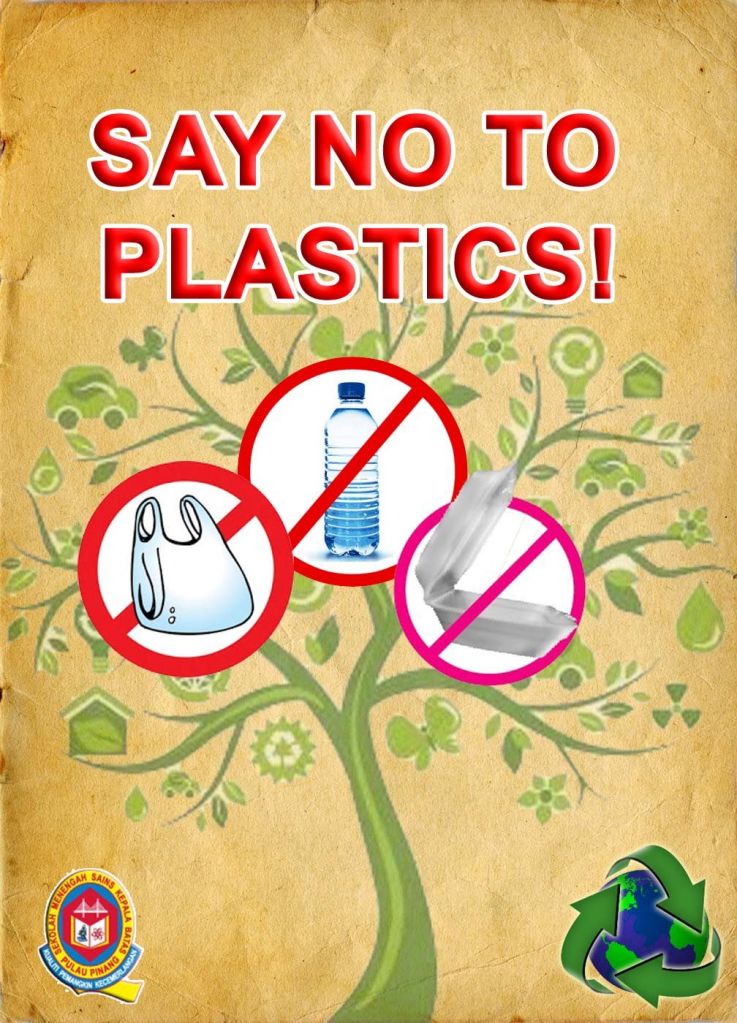
The statistics are shocking: People around the world buy 1 million plastic drinking bottles every minute, and use up to 5 trillion single-use plastic bags every year. Humans are addicted to plastic, and hardly any of it — about 9 percent — gets recycled. A staggering 8 million tons (7.25 metric tons) ends up in the ocean every year. Break the cycle. Stop buying bottled water. Say no to plastic shopping bags and use cloth bags instead. Don’t use plastic straws. Drink from a reuseable cup instead of a plastic one. Avoiding plastic can divert a ton of waste from the oceans and landfill. 

peace on earth

Clean air and clean water are better for all of us. Buy less and drive less.

https://xerces.org/blog/new-years-resolutions-that-will-benefit-nature-wildlife-and-invertebrates

Too Much, Not Enough

Drought, famine, flooding, storms, hurricanes. We are living at a time of extremes. There is either not enough water or too much water? Is our beautiful fragile planet paying us back for all the abuse it takes? I think the warming of the oceans has a lot to do with our extremes. Our oceans absorb the carbon dioxide and pollution causing them to warm and oceans have a lot to do with weather systems. Climate change also impacts the intensity of Hurricanes. In recent years, a higher proportion fell into Category 4 and 5, a trend that is expected to continue.

We aren’t doing enough to stop polluting our air. I love this climate poster but it is missing one crucial aspect: Use less plastic! Plastic production is a big contributor to more air pollution. Plastic is made from fossil fuels and contains many harmful chemicals. Also, there is new evidence that plastic pollution is making our oceans more acidic. https://health4earth.com/2022/07/26/how-about-a-dose-of-chemicals/

Our planet needs everyone to do their part. Start by driving less and buying less, and many of the others will fall into line! Individual action is a powerful tool for reversing the climate crisis, especially when millions of us unite together.

Reading list:

Amid a massive American clean energy shift, grid operators play catch-up – Minnesota Reformer 

House Committee Investigates the Role of PR Firms in Spreading Climate Disinformation | Sierra Club

Dutch City Is World’s First to Ban Meat Advertising – EcoWatch

Climate Change Leaves Flood Maps Outdated, FEMA Says – EcoWatch  

Pakistan Floods: What Role Did Climate Change Play? – EcoWatch

Tell President Biden and U.S. climate negotiators: The world must address climate losses and damages (sierraclub.org) 

The Planet | Alexander Verbeek 🌍 | Substack 

July Choice

July should be one of the best times of the year. Make a choice to have outdoor time, listen to the birds and look for butterflies. Turn off phones and your TV and make a choice to enjoy your environment.

swallow tail butterfly

Enjoy the beauty of July!

Make a choice to be kind and work to be resilient. Make a choice for clean air by buying and driving less, and you will be doing something good for the earth. Make a choice to use less plastic and eat healthier. Wise choices will help you be happier. The Actions for Happiness group have lots of good choices for a happier July. Good luck!

Chin up, chin up
Put a little laughter in your eyes
Brave it, save it
Even though you’re feeling otherwise
Rise up, wise up
Make a little smile begin
You’ll be happy hearted
Once you get it started
Up with your chinny chin chin!

~ E.B. White

March for Ukraine

Buy less, waste less and use less energy!

Two bad things are happening in the world. Europe is at war in Ukraine, and a new UN report says climate change is going to cause many future problems. UN climate report: ‘Atlas of human suffering’ worse, bigger – StarTribune.com 

Support for the Ukrainian People

We know the drill to help ward off climate problems, drive less, use less plastic, eat less meat, and reduce food waste. Buy less, waste less, and use less energy!

Every day I take three breaths for peace to help Ukraine. Here is a list of organizations to support and help Ukraine: See below and Donate to the fund of the National Bank of Ukraine – Official website of Ukraine 

I was in Ukraine in 2013. The people were very kind, helping us get around, take public transportation, and order food. My husband and I loved the beautiful country and kind people!

Yes, we are under stress worrying about Ukraine and climate change. Below is the mindful calendar for March to help maintain our mental health.

Medical supplies from the United States and Europe because Ukrainian suppliers ran out of gear and medical supplies. For more information go to razomforukraine.org.

United Help Ukraine is providing lifesaving first-aid kits to the front lines. The organization also helps the families of those wounded or killed in war and gives support to displaced people from Crimea and eastern Ukraine. For more information go to unitedhelpukraine.org.

Sunflower of Peace is raising funds for first-aid medical backpacks for paramedics and doctors on the front lines. Each backpack has the ability to save up to 10 lives, according to the organization. For more information go to facebook.com/sunflowerofpeace.

Ukrainian Red Cross Society: Volunteers and staff provide first aid in areas where medical access is limited. Funds will be used to support those in need, blood collection, mobilization of volunteers and resources and emergency activities. For more information go to redcross.org.ua/en.

Help for children: UNICEF is ensuring Ukrainian children have access to safe water, nutrition, health care, education and protection during the invasion. For more information go to www.unicef.org/ukraine/en.

Voices of Children provides psychological and psychosocial support for children caught in the middle of the armed conflict. For more information go to voices.org.ua/en/.

Journalism: The Kyiv Independent, a Ukrainian-English news site, provides up-to-date information of Russia’s invasion. Its fundraising site can be found on GoFundMe.

3 Sustainable Choices

A new year, new habits!

“Small acts when multiplied by millions of people, can transform the world!” Greenpeace

The new year has arrived, and we all have the best intentions to have a fresh beginning. With all the uncertainty and discord around us, focusing on something bigger than ourselves helps to rise above all the confusion. Choose to do things that are fun and make you feel better about your place in society.

New goals and new ideas help stimulate new interests and are good for our mental health.  First of all, don’t worry about being perfect, just do something different. No one is perfect, but if everyone does something it adds up to big things for us and our community.

Millions of people around the world have been harmed by storms and our warming world during the past year. With all the harm humans have done to our planet the last hundreds of years, our warming Earth is struggling to find some equilibrium, and we can all lessen our negative impact. By reducing our consumption of the Earth’s resources, we can help our corner of the world and make a big difference. My ideas are to help you think of ways you can make a positive difference and hopefully have fun!

Every day my household works on three big things to reduce our consumption of the Earth’s resources:

Reduce meat consumption

1. Cutting meat consumption and always celebrating meatless Mondays. There are so many meatless options in the frozen food section of grocery stores it can be easy and fun. The hard part is finding meatless options without increasing plastic pollution. Here are some ideas to get you started. Vegan Recipes To Help You Eat Less Meat : Life Kit : NPR  

Quick & Easy Vegetarian Recipes | EatingWell

Vegan Recipes To Help You Eat Less Meat : Life Kit : NPR 

How is plastic in our food affecting our health?

2. Reducing plastic is paramount.  Plastic creates waste and litter, it contributes to climate change, pollutes our water and is harmful to wildlife.  It is concerning how plastic affects our health and what it’s impacts might be for us. We have a lot to learn about how plastic is harming our health. Please reduce your consumption of plastic. Start by using reusable bags, cups and bottles, and then you will slowly learn new ways to reduce plastic in your environment. So much plastic can’t be recycled, but if you must purchase items in plastic, make sure it can be recycled.

Irritable bowel syndrome linked to more microplastics in gut (nypost.com)

end food waste

30 to 40% of food in the USA is wasted!

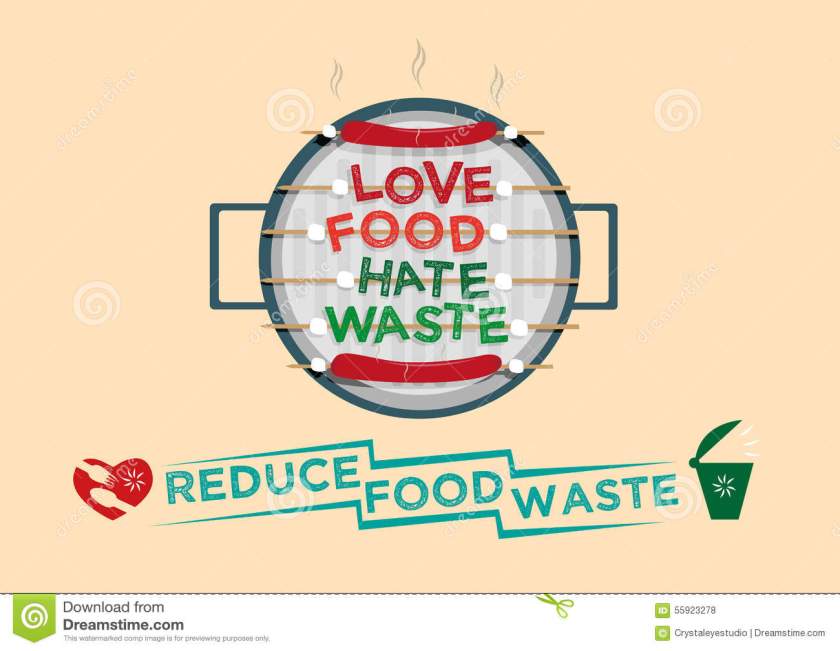
3. Reduce Food waste.  Food waste is a total waste of water, labor, time and energy. First start with your shopping, don’t buy more than you can use. Buying in bulk is a good way to regulate how much you purchase (bulk can reduce plastic waste also). Second, staying on top of what items are in your refrigerator/freezer is extremely important. Maybe have an “eat first shelf.” I keep a container in my refrigerator to accumulate celery tops and other vegetable scraps for weekly soup making or stir fry.  Finally, turning leftovers into a new meal is one of the best things about cooking. Make it fun and challenging! Wraps and rice bowls are winners!

How to Reduce Food Waste | Sierra Club

Below are many ways you can help our planet and also your soul:

Opinion | 10 New Year’s Resolutions That Are Good for the Soul – The New York Times (nytimes.com)

7 Ways to Make 2022 More Sustainable – Plastic Free Home – Environmental and Zero Waste Blog (theplasticfreehome.com)  

13 sustainable choices for your green life | Minnesota Pollution Control Agency (state.mn.us)  

3 eye-opening, science-based New Year’s resolutions that could help everyone | PBS NewsHour

12 Ways to Live More Sustainably (biologicaldiversity.org)