
Working together we can make a big difference!
https://health4earth.com/2017/02/15/surprising-microfibers-in-fish-and-food/
https://health4earth.com/2018/04/05/break-free-from-plastic/
Working together we can make a big difference!
https://twitter.com/Greenpeace/status/981256135243063296/video/1
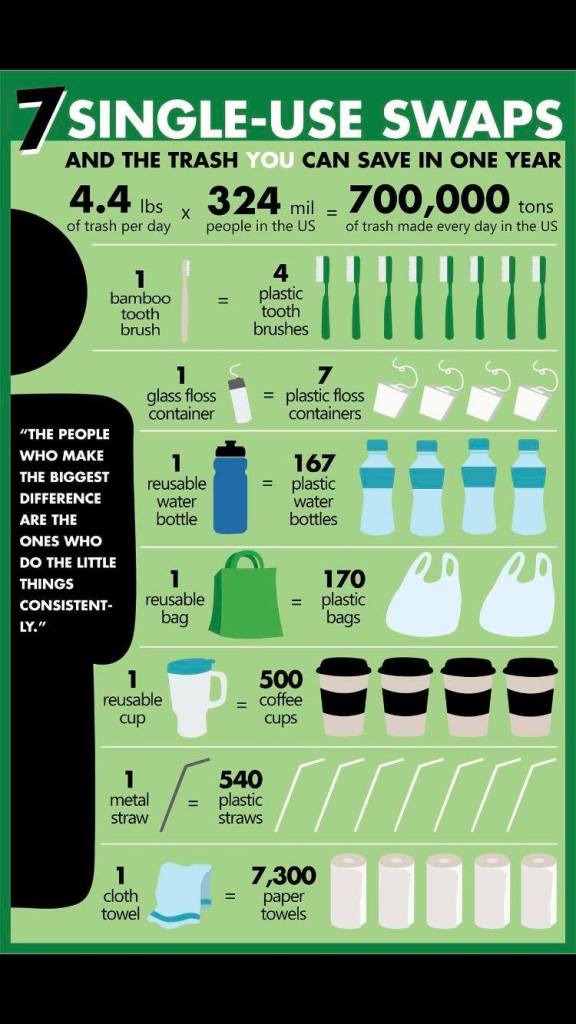
Everyday there is a new report about the world’s terrible problem with plastic pollution. How did we ever get to this point where plastic pollution is everywhere and so harmful? A world summit is needed to manage this problem. The plastic bottle manufacturers need to be held responsible, but all of us are to blame for the amount of plastic we purchase.

Everyone uses plastic and we are all to blame! Plastic is used and thrown away by the wealthiest and poorest people on our planet. It is almost impossible to avoid. I have been working on reducing my plastic for years and become better every week at eliminating and evaluating what I purchase. Twice a week I take by reusable bottles to food coops and refill with bulk items. I reuse plastic produce bags over and over and think “zero waste” as I shop.
Plastic manufacturers should never been allowed to make a plastic product that might last 500, maybe forever. Elected officials should have put some regulations on them. From Greenpeace: “So what needs to happen is that these changes must come from the top — multinational corporations like Coca-Cola and Nestle need to be held responsible and switch their single-use packaging to more sustainable options, but we also need to acknowledge our responsibility when we choose those products.” Tamara Adame
The Great Pacific Garbage Patch (GPGP) floating off the coast of California now measures 1.6 million square kilometers (about 1 million square miles), according to a startling new study. It is 16 times larger than previously thought, and growing! To put that into perspective, the clump of trash is about the size of three Frances, or twice the size of Texas.
What are you doing to reduce your plastic pollution??
Planning a party for the weekend? How can you reuse what you already have? I have some easy ways to reduce landfill trash:

First, always use real plates, glasses and utensils. I know your guests will appreciate eating with real utensils and plates. Next, wash up your glasses to serve drinks into real glasses.


Third, find table napkins that might be stored away. They don’t need to match and they are easy to borrow from friends.
What’s better than being real? Good Luck

Finally, bring your shopping bags with you shopping, and reduce plastic packaging if possible.
** Get in the habit of using reusable table napkins. Make your own napkins from remnant pieces or shop at Goodwill.
**Bonus points: Compost your food waste!
“Every aspect of our lives is, in a sense, a vote for the kind of world we want to live in.” Francis Moore Lappe
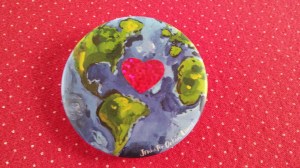
What better week than Valentine’s week to show love for our earth. Take the 10 for 10 challenge. Can you score a perfect 10 by completing these initiatives? Maybe you already do these things? Take a breath, slow down and think how you can positively make a difference. It’s easy, and I hope you learn something. Let me know how you do. Good luck!
Day 1 Go meatless, extra points if you also go vegan!
Day 2 Go plastic-free, no straws, plastic utensils, water bottles or containers, unless of course they are reusable.
Day 3, Reuse Day. Bring your lunch in a reusable containers, and remember your

reusable water bottle.
Day 4, Leave your car parked day. Walk, bike, car-pool or use public transit.
Day 5, Take a walk day. Enjoy the outside as you walk, listen for birds, the wind, water? What nature sounds do you hear?

Day 6, Water-Use Day. Become aware every time you use water. Is there a way you can reduce your water use?
Day 7, Cut Food-waste Day, Clean out left-overs and produce. Make a soup, a stir fry or wraps with your left-overs.
Day 8, Chemical-Free Day. Use vinegar and baking soda for cleaning, and shop for organic produce. Read about chemicals and air pollution here.
Day 9, Reusable-cup day. Bring your re-usable cup to the coffee shop, to  meetings, and to work.
Day 10, Gratitude. Be thankful for our beautiful planet. What was the best thing about the past week? Could you complete 10 for 10?
 Can the Super Bowl go zero waste? If they can, so can you! Minneapolis, location of Super Bowl 52, is an incredible place to go waste-free. We have recycle containers everywhere, and we have weekly home compost pick-up. Hennepin County and Minneapolis are committed to less landfill waste.
I think the NFL is sending an important message, “It is important to reduce our waste!” Yes, one big event is important, and we all need to educate ourselves and try to reduce our own waste. Read about the Super Bowl at zero waste.
Most communities don’t make it as easy as Minneapolis, but in tiny steps, we can all do better. Everyday I think about how I can generate less waste, and I know for a zero waste mentality to be successful, it must be EASY!
An easy way to reduce waste is to think REUSE. Before you throw something away, buy something new, or recycle something, ask yourself, “How can I reuse this?” I purchase products in glass jars that I will reuse, and I do reuse them. I believe in real dishes, real silverware, and cloth napkins. My reusable water bottles travel with me, something the NFL doesn’t allow at games! I reuse my plastic produce bags over and over, and take my reusable containers to fill with bulk items weekly. Hennepin County has a good list of how to start reusing, read it here. Remember to start easy, and you will get better, as you learn more ways to reduce and reuse.
I would start with cloth napkins as the easiest. As you get into the reuse mindset you will see many things you can do to reuse and reduce on your own. Good Luck!

Get out those real dishes, glasses and silverware for your Super Bowl party and have fun.
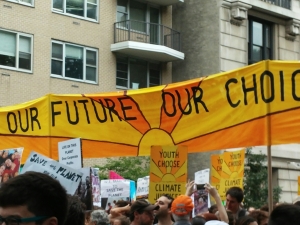 Buy less stuff: Reuse, reuse and reuse the things you have
 and eliminate your use of pesticides, and all chemicals in your home. Your family, your pets, birds and butterflies will be much healthier.
Ways to be a better environmental steward from Ecowatch
From Earth911 ways to be more sustainable. Read at Earth911
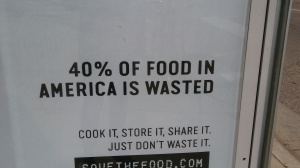 The challenge begins, how can we use our holiday left-over food? My full refrigerator is daunting, and I am determined not to waste any of it. The freezer is one of our best tools to save food, but also using left overs in a new creative way: wraps, rice bowls, tacos or enchiladas, soups and stir fry. Save The Food has ideas to reduce food waste: https://www.savethefood.com/
Tonight I am serving. “Make your own rice bowl!” choosing heated leftovers to put on a hot bowl of brown rice in the fashion of a salad bar.
Not only does wasting food, waste valuable resources and lots of water, but also food in our landfills decomposes creating and giving off methane gas which is a harmful air pollutant contributing to global warming.
From Thanksgiving to New Year’s Day, household waste increases by more than 25%. Added food waste, shopping bags, packaging, wrapping paper, bows and ribbons all adds up to an additional 1 million tons a week to our landfills. (Source: EPA)
I want a world that treats all people with respect and kindness.

“Make improvements, not excuses. Seek respect, not attention.”
― Roy T. Bennett, The Light in the Heart
Eight more ways you can spread kindness. These are my ideas for a kinder week for us all:
Friday, December 8, Celebrate Friday by smiling at people.
Saturday, December 9, Bring your reusable bags shopping, and be kind to the earth.
Sunday, December 10, Practice forgiveness.
Monday December 11, Start the week right and donate to a local food shelf. Second Harvest
Tuesday, December 12, Think of that person you have been meaning to call for a while, and dial them for a positive chat.
Wednesday, December 13, Be kind to the earth and donate to Natural Resources Defense Council (NRDC)
Thursday, December 14, Make it a zero landfill waste day: Recycle, compost, and reuse.
Friday, December 15, Friday gratitude: Today think of the people you are thankful for in your life.
Other ideas for kindness: https://health4earth.com/2017/12/01/kindness-spread-it-now/
Cook it, Soup it, Taco it, Stir fry it, Eat it, Freeze it, Share it
How did you manage your Thanksgiving left overs? What do you generally do with left over food? 40% of the food in the United States is not eaten, and ends up in our landfills causing an enormous waste of our precious resources. Wasting food is an enormous waste of water, money, time, labor, energy and transportation. The Natural Resources Defense Council (NRDC) has an incredible education campaign to inform the public how much we are wasting. For example the production of one egg takes 55 gallons of water!Their website is savethefood.com
So let’s get creative and “Save the Food.” One of my favorite cooking activities is to reinvent leftovers into a new lunch or dinner. Stir fry, soups, tacos, enchiladas, salads, fried rice, and many other things lend themselves to create special meals of uneaten foods.
Not only does wasting food, waste valuable resources and lots of water, but also food in our landfills decomposes creating and giving off methane gas which is a harmful air pollutant contributing to global warming.
From Thanksgiving to New Year’s Day, household waste increases by more than 25%. Added food waste, shopping bags, packaging, wrapping paper, bows and ribbons all adds up to an additional 1 million tons a week to our landfills. (Source: EPA)
Have a fun holiday month, but make a creative difference by reusing, planning, seriously cutting waste, and saving food from your garbage!
The story of a strawberry here: https://www.youtube.com/watch?v=WREXBUZBrS8
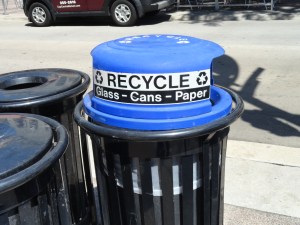

 We now have plastic in our water and in the fish we eat. Do we really want to put plastic fibers into our bodies every time we eat and drink?
I have three simple thoughts about litter and recycling today: First, countries that have less plastic have less litter. Second and third, if everyone would recycle more, and change the plastic bag habit, it would make a big difference on our planet.
Here is an interesting plastic comparison for you. This is based on observation during the past month while I have been travelling through Central Asia and Iran. Central Asia uses very little plastic except for black plastic bags for purchases and plastic bottles for soda. Iran by contrast uses lots of plastic. Beside plastic bottles, restaurant food, hotel towels, and many things that don’t need to be, are wrapped in plastic. Plastic cups and straws are used in Iran, but I saw none in Central Asia. Where would you guess there is a terrible litter problem? The contrast was enormous. I brought Iranian plastic home to recycle.
Governments clearly need to become aware of the problem, and businesses like Coca Cola need to take more responsibility for the plastic they produce.
While I was thinking about this I came across an excellent essay by ECOwatch with great suggestions for everyone (see below) But keep it simple and by recycling and reducing plastic bags you can make a big difference on our earth!
From Ecowatch:


